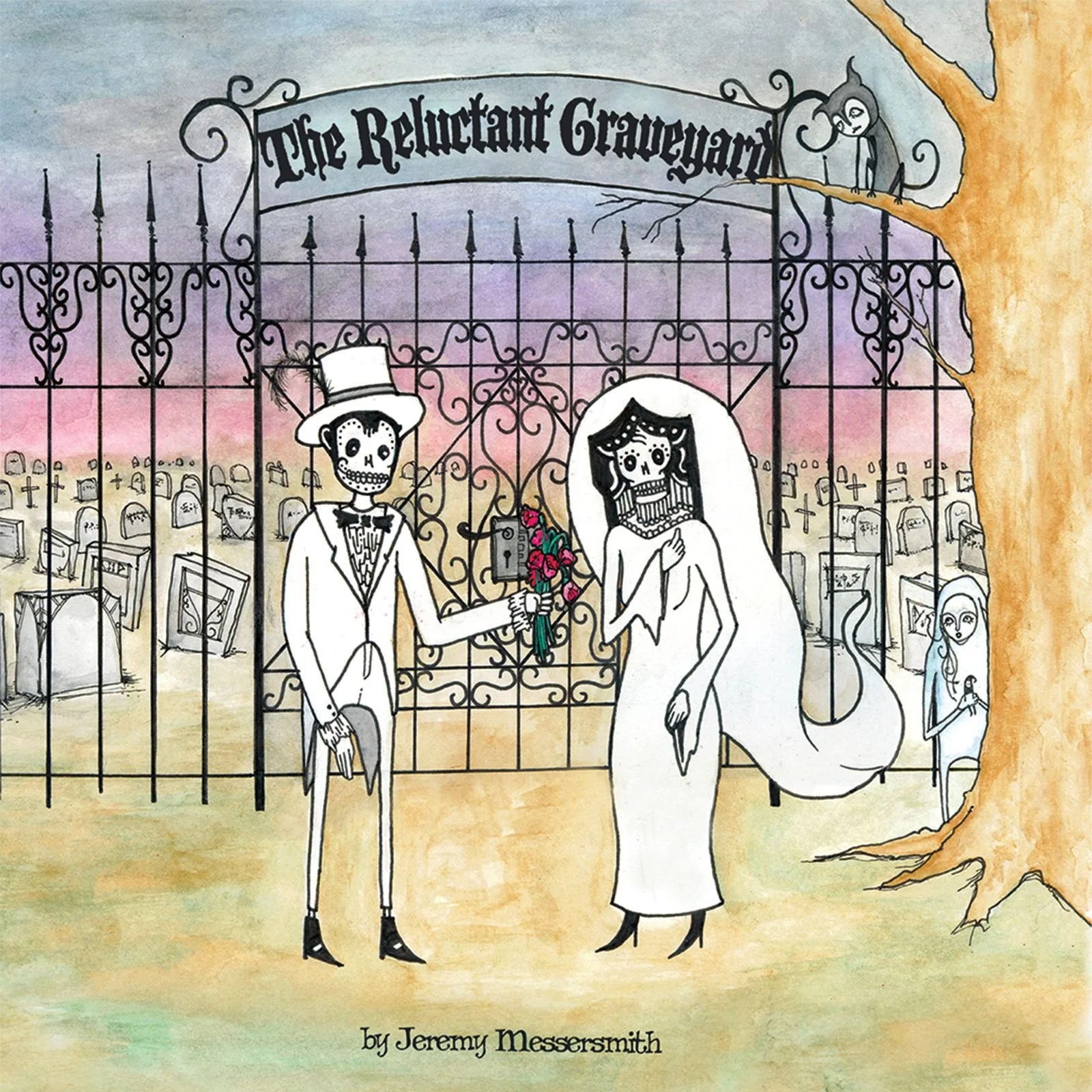
Jeremy Messersmith: The Reluctant Graveyard (2010)
Minneapolis-based indie-popper Jeremy Messersmith trades in understated, intelligent songs often sung from some sort of outsider/underdog perspective.
Named one of NPR’s top ten albums of 2010, The Reluctant Graveyard is populated with ghouls, monsters, and even a rather pushy “deathbed salesman”.
Messersmith makes surprisingly effective relationship metaphors of these creepy characters on a dark, mostly melancholy-sounding record that evokes some of the Decemberists’ early work.
But lest you think Messersmith and Graveyard are monotonously morose, “Knots” breaks the dour mood with the kind of sprightly pop this guy can pull off every bit as effectively.
Still, the overall vibe is very Tim Burton. If you have a fondness for spooky songs with haunting melodies, you’ll be digging The Reluctant Graveyard
Also the video for “Organ Donor” is rather uh, humerus.
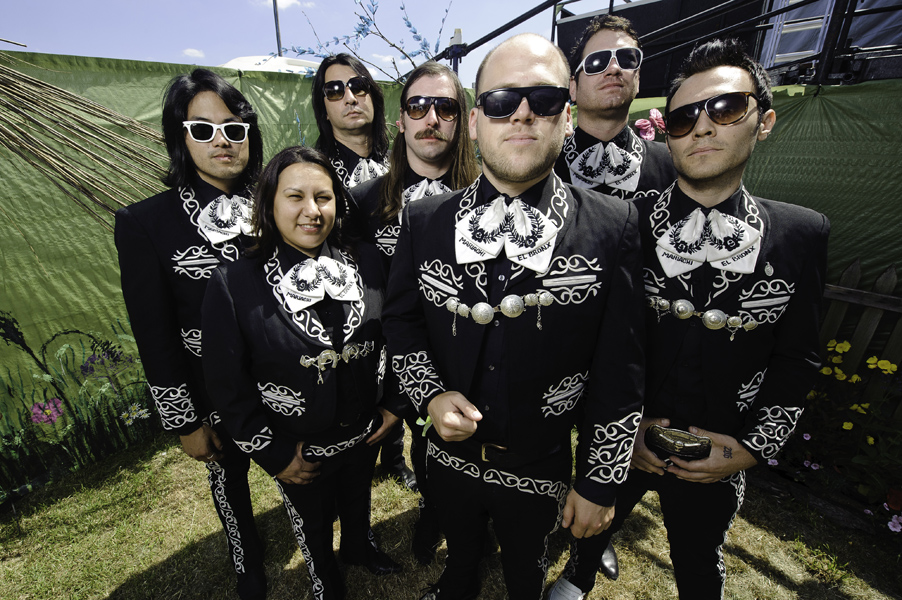
Just your typical Los Angeles punk band named after a borough of New York City playing music in a traditional Mexican style.
Actually, that is pretty punk.
The Bronx have been recording since 2002. After three eponymous releases under that band name they released the first of (at this writing) three albums of mariachi originals.
Not what you’d expect from a punk band, but said singer Matt Caughthran, “[Mariachi El Bronx] was something that was a part of us that we didn’t really realize. I mean, being from Los Angeles and, you know, growing up and surrounded by Mexican culture, it just kind of happened […] We were writing two or three songs a day for that record, and the lyrics and everything just kind of shit out of all of us […] it was the funnest and easiest record we’ve ever made.”
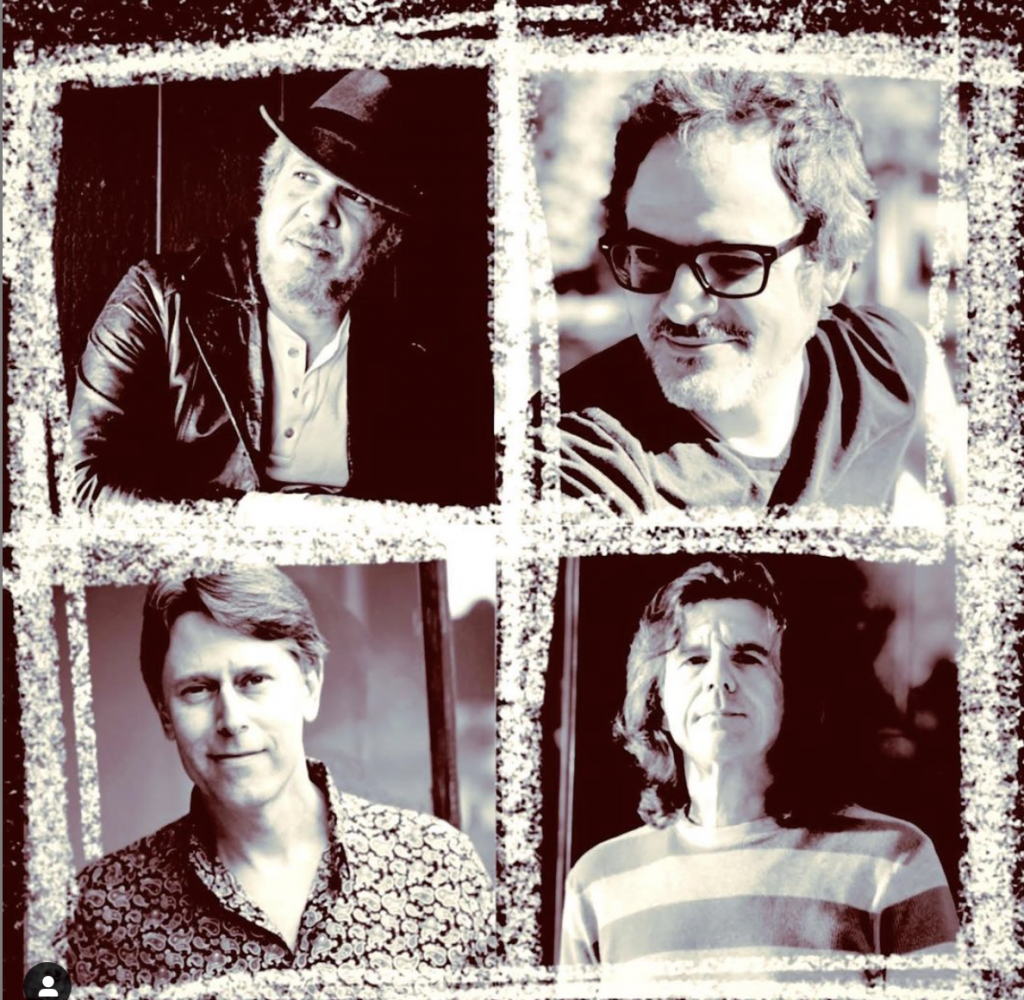
Philadelphia quartet Wanderlust had a brief flirtation with major label status in the waning days of alternative rock’s radio domination, and their lone RCA album Prize from 1995 is highly regarded (and featured elsewhere within this blog).
Despite the critical success of that record and opening slots on tours by The Who and Collective Soul, the band were dropped by RCA before they could release a follow-up.
In the time since, front man/main songwriter Scot Sax has found success writing for major artists, including the Grammy-winning Faith Hill-Tim McGraw duet “Like We Never Loved at All”, while guitarist Rob Bonfiglio released numerous solo albums, established himself as a respected L.A. studio musician and toured with the Beach Boys and Brian Wilson’s band.
Then in 2020, Sax discovered a DAT tape of demos he’d written for a follow-up to Prize. Realizing the potential of the songs, he reconvened the foursome to give the material a proper band treatment.
Sax relates, “I feel like a young Cameron Crowe, with a story about a band that fell victim to its own insecurities in the bright lights — and with the big wigs — of the music business, circa 1995.”
Iconfetch.com
“Now, the same four guys find an old cassette of songs never recorded, long forgotten in their fall from grace. So what do they do? They make the album that never was.”
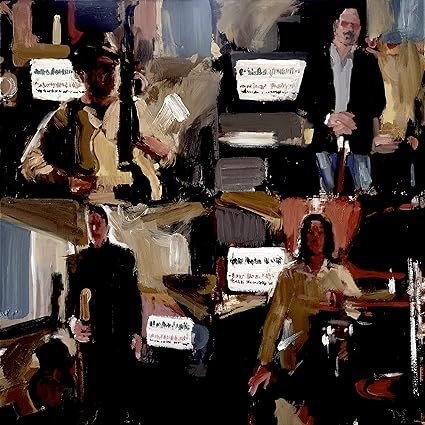
The band each laid down their parts separately from home during the pandemic–which is why the above video from the single “Corduroy Moon” doesn’t show them actually performing together.
The results lean less toward the heavy 90’s rock sound of their debut and instead bring a plethora of power pop and melodic rock notables to mind: The Raspberries on “2 Million Pieces”. Big Star and the Jayhawks on “Corduroy Moon”. Sloan and Joe Walsh on “Trick of the Light”. And Badfinger in the chorus of “I Can Be Moved”.
If you’ve patronized your local open mic night with any regularity there’s a type of song, commonly proffered by young songwriting aspirants, that you’ve probably heard–and talked over–frequently:
A bit over-earnest. Angsty but unfocused. Marked by a single word, phrase or melodic line repeated four times (or eight). Marred by the clumsy sound of the wrong syllables being stressed (which a tweak of phrasing would have smoothed out). Overreliance on naughty words to signal “raw honesty”.
And sometimes the cathartic experience of wailing that phrase (naughty word included) eight times is enough to satisfy the writing/performing urge.
But if and when a songwriter graduates from open mic grade to something more accomplished, it’s typically attended by a move outward, from self-indulgence to a creative munificence. From “raw honesty” to emotional depth. From four-letter words to eloquence.
This is How Tomorrow Moves is the third full-length album from Beatrice Laus (aka Beabadoobee), and the one on which her transformation from open mic girl to pro is complete. It’s her first record of grown-up songs.
The heartrending “Tie My Shoes”, for example, is the work of no amateur. It may be autobiographical, but it’s crafted by a girl who has learned how to tap into something universal–and very affecting.
Bea’s juvenescent coo is a singular instrument, ideally suited to put across this reflection on a disappointing father-daughter relationship and the lack of trust unresolved feelings engender moving forward into adulthood.
A subtle harmony line in the chorus is sung high above the melody, in a child’s register, effectively manifesting the presence of both of the song’s protagonists–adult singer and young Beatrice–in a song about how the disillusionment of one is still borne by the other.
It’s a deft production touch, delicate but devastating. “Tie My Shoes” is a remarkable song and the album’s emotional center.
“Coming Home” is exactly the kind of whimsy that evokes the Juno movie soundtrack, a prime influence on a teenage Bea’s nascent songwriting efforts.
“A Cruel Affair” explores an emotional rivalry without self-pity or excessive hand-wringing. In fact it comes wrapped in a lilting bossa nova of all things.
On the other hand “Beaches” sounds like something you want to crank up in the car as you flee the traffic–or hear as a concert set encore.
Thanks to production work by the renowned Rick Rubin, the instrumentation and variety in the arrangements has expanded on album three to accommodate the leap forward in the maturity of the Filipino-British songwriter’s writing.
guitarworld.com
Rubin dressed up Beabadoobee’s music for a date with a wider audience. And she made an impression; the album debuted at number one on the UK charts.
Where the artist’s playfully meandering stream-of-consciousness lyrics first endeared her to a young audience, This is How Tomorrow Moves edges her into true singer-songwriter territory–while managing to retain the wide-eyed charm.
Where noisepop influences overwhelmed some of her early material, Rubin’s production holds the buzzy guitars in check, always in service of actual songs.
And Beabadoobee truly emotes, now that she’s stopped trying to emo.
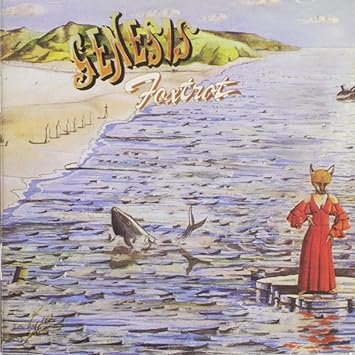
On the band’s fourth album, Genesis began to synthesize (or mellotron at times) a balance between credible rock and the theatrical whimsy that had dominated their three previous albums.
It’s art rock that doesn’t sacrifice the art or the rock.
“Time Table” muses on the passage of time with medieval imagery and a nostalgia for times gone by–or perhaps is a lamentation of the inevitable repetition of events throughout history:
A carved oak table tells a tale Of times when kings and queens sipped wine from goblets gold And the brave would lead their ladies from out of the room To arbours cool A time of valour and legends born A time when honour meant much more to a man than life And the days knew only strife to tell right from wrong Through lance and sword
Why, why can we never be sure till we die Or have killed for an answer? Why, why do we suffer each race to believe That no race has been grander?
It seems because through time and space Though names may change each face retains the mask it wore
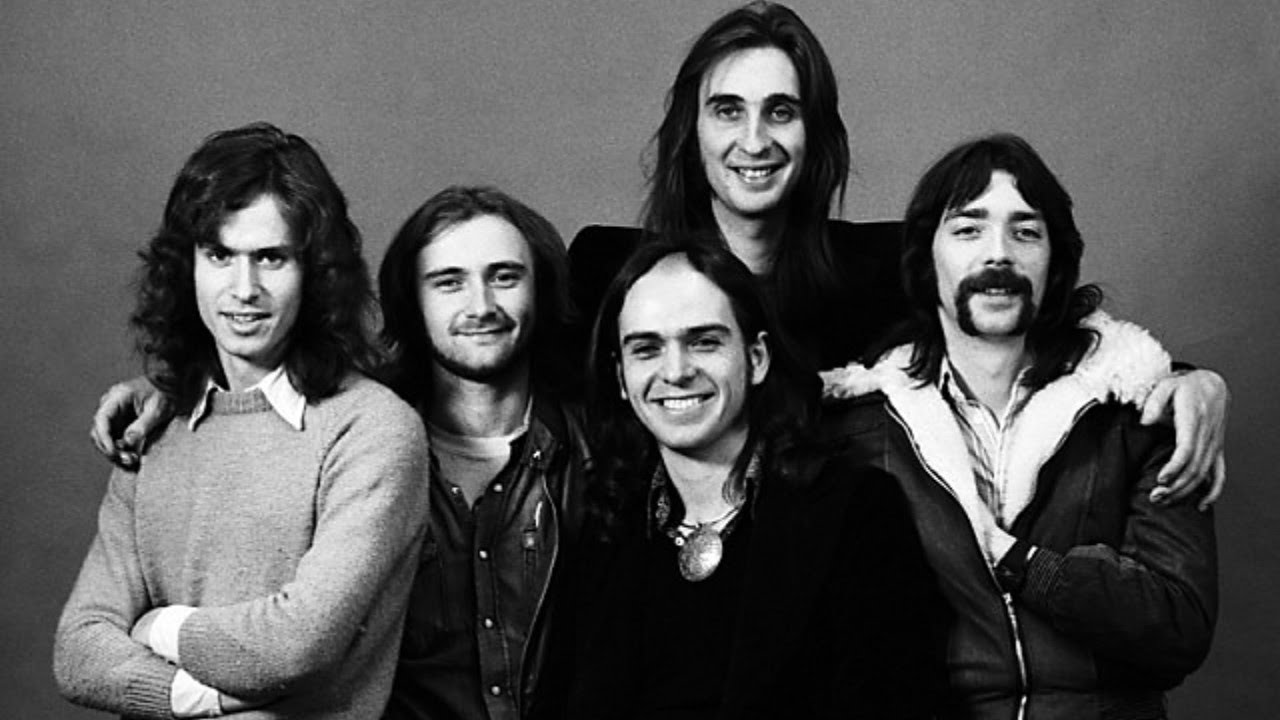
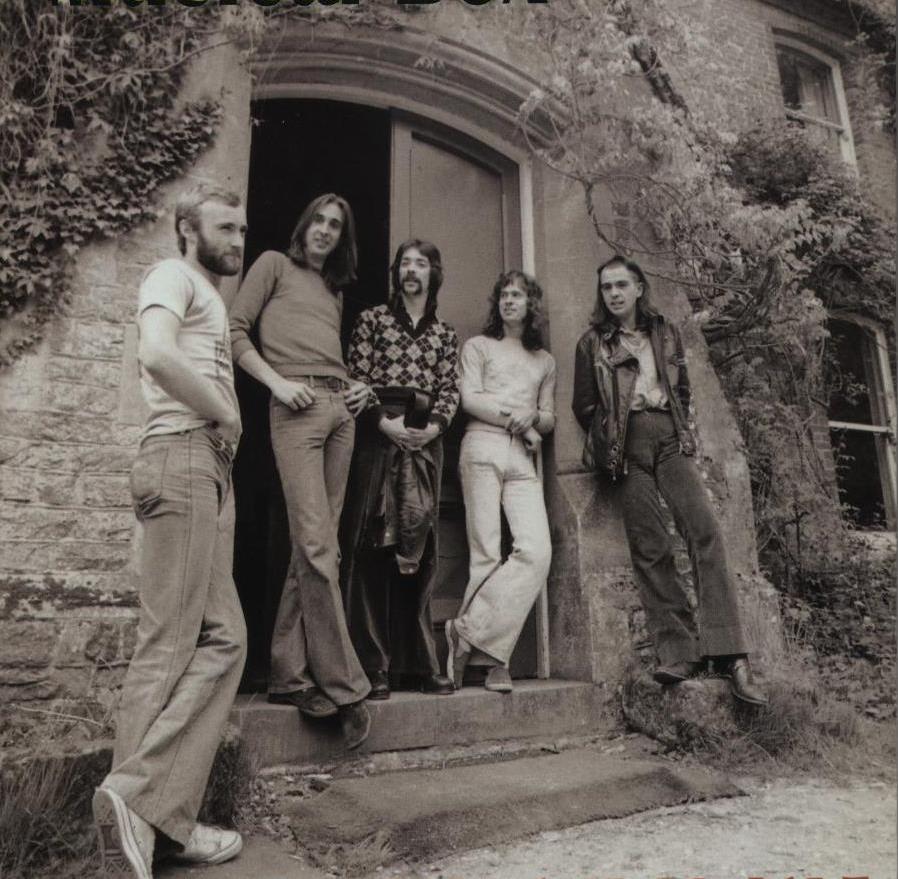
“Can-Utility and the Coastliners” truly shows off the ensemble talents of a great band, with the soft textures of Steve Hackett’s guitar giving way to Tony Banks’ brilliant layered mellotron and organ and Phil Collins’ powerhouse drumming. Several passages and time changes later, it feels like you’ve heard an epic prog song in less than six minutes.
On the classically-inspired “Horizons”, Hackett manages what Steve Howe didn’t on The Yes Album and Fragile; that is, he contributes an instrumental that doesn’t disrupt the feel of the album overall.
For those less familiar with the Gabriel-fronted version of Genesis, uh, yeah it’s a long way from the artsy, eccentric prog of the early days to the “I Can’t Dance” populist drivel of the Collins-fronted incarnation of the band.
It’s not typical of this site to spotlight a four million copy-selling, number four-charting record.
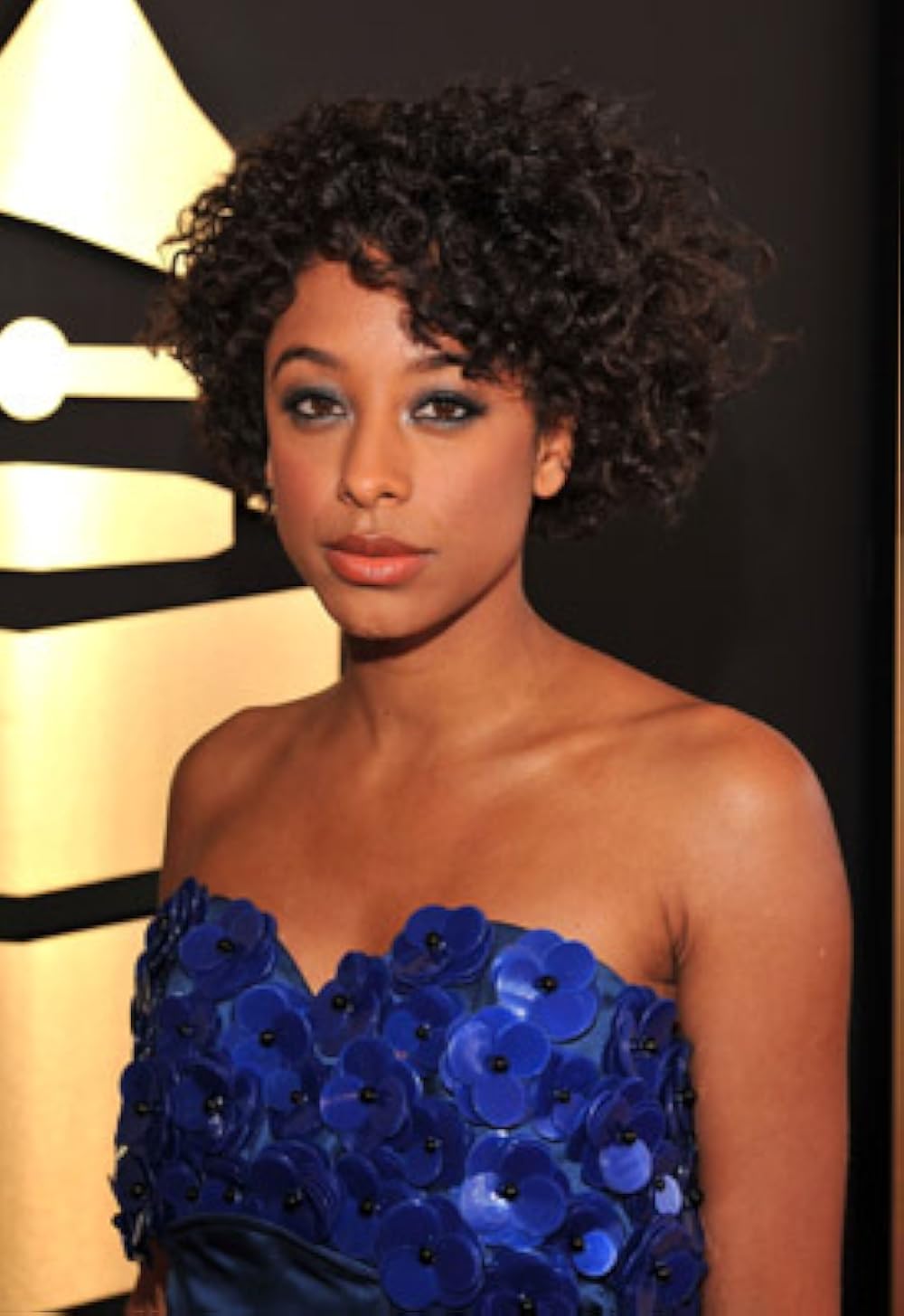
And yet British singer-songwriter Corinne Bailey Rae’s debut album seems in large part to have flown below the mainstream radar, particularly in the US.
So this is for all the Sade, Norah Jones, Erykah Badu, Macy Gray, Zero 7, Brand New Heavies or even Bill Withers or Al Green fans who missed the boat in, or since, 2006, and for all those for whom “Put Your Records On” was their only exposure to the smooth, stirring soul Rae created.
“Created” is past tense because she arguably never quite duplicated the rich, warm jazzy soul stew she served up on her debut album.
“Like a Star” is surprisingly laid back and spare for an opening track (much less for a first single, which it was).
But the focus is on Rae’s voice here, and the austere arrangement is perfect for washing your ears clean of background clutter–the better to appreciate what follows.
“Trouble Sleeping” has the perfect background /dinner music vibe. Perfect addition to a studying music mix.
“Call Me When You Get This” half-steps up the energy. Think cocktail hour at a really nice party.
And mother-daughter love song “Butterfly” perhaps best shows Rae’s songwriting chops.
Corinne Bailey Rae is everything the critics said Norah Jones’ Come Away with Me was. No, it didn’t earn the armload of Grammys. But the singing was just as engaging and the songwriting a bit better.
Listen to: “Like a Star”
Listen to: “Trouble Sleeping”
Listen to: “Call Me When You Get This”
Listen to: “Breathless”
Listen to: “Butterfly”
In my mother’s house There’s a photograph Of a day gone past Always makes me laugh There’s a little girl Wary of the world She got much to learn Get her fingers burnt An affinity Between you and me Was a family Said that I’d be fine Gave me all your time And I left your side Like a butterfly
Shower me with your love Colour of everyday You make the milk-gold Sun Shine on me, yeah Lift me up so high Watch me fly away And you give me life Like a butterfly
In my mother’s house There was happiness I wrapped my myself in it Was my chrysalis As my life unfolds See a pattern through Of you protecting me And I protecting you What was that you’d say? “Make your own mistakes And when you’re grown Make sure that you remain the same” Now I realise What was on your mind When I left your side Like a butterfly
Shower me with your love Colour everyday You make the milk-gold Sun Shine on me, yeah Lift me up so high Watch me fly away And you give me life Like a butterfly







 Every Moment Has A Song