"There's a time in life for Hoagy Carmichael. There's a time in life for Claude Debussy. There's a time in life for Jerry Lee Lewis. There's a time in life for Destiny's Child. All these things have their moment." ~Elvis Costello
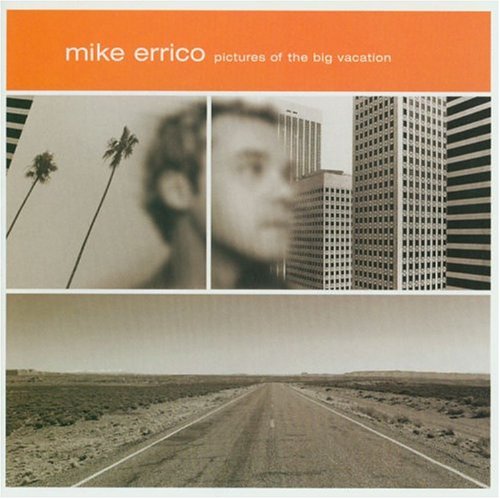
New York City singer-songwriter/author/lecturing Yale professor Mike Errico paints a picture of an “old and broken” man who takes aim at neighbor kids in his yard with a slingshot. But the song has a heart as well as a point–which is made with an effective combination of humor and pathos.
Errico deals in the kind of acoustic-based folk/soul blend that may bring Ben Harper or Mike Doughty to mind. Consensus among fans seems to be that his live shows are superior to his recordings, and his recordings sound best when they sound like his live shows–which is to say, stripped down and elemental like this tune.
If you like this I’d recommend checking out David Wilcox, who is featured elsewhere on this blog.
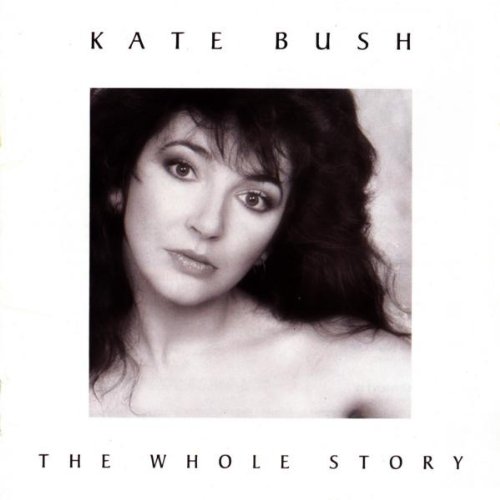
Written by an 18-year-old Kate Bush and inspired by the novel of the same name by Emily Bronte (with whom Bush shares a birthday) “Wuthering Heights” was the lead single off the artist’s debut album in 1978.
Lines like “let me in, I’m so cold” take on ominous meaning when the listener understands the words are spoken from beyond the grave. Catherine, a ghost, begs entrance at a bedroom window so that she can be forgiven by her lover Heathcliff and freed from her personal purgatory.
Because of Kate Bush’s dissatisfaction with the cover art of the single, its release was delayed from November of 1977 to January 1978. This proved fortuitous as it prevented the song from competing with Wings’ “Mull of Kintyre”, which in December of ’77 became the biggest selling UK single of all time up to that point.
“Wuthering Heights” became a massive UK hit in its own right, spending four weeks at number one. Like all Bush’s work, it fared considerably less well in the US, where the song peaked at #108 on the singles chart, marking the contrast from the start between her star status in her native England and that of cult figure here.
A remixed version with newly-recorded vocals appeared on her 1986 compilation album The Whole Story. This is the version presented here.
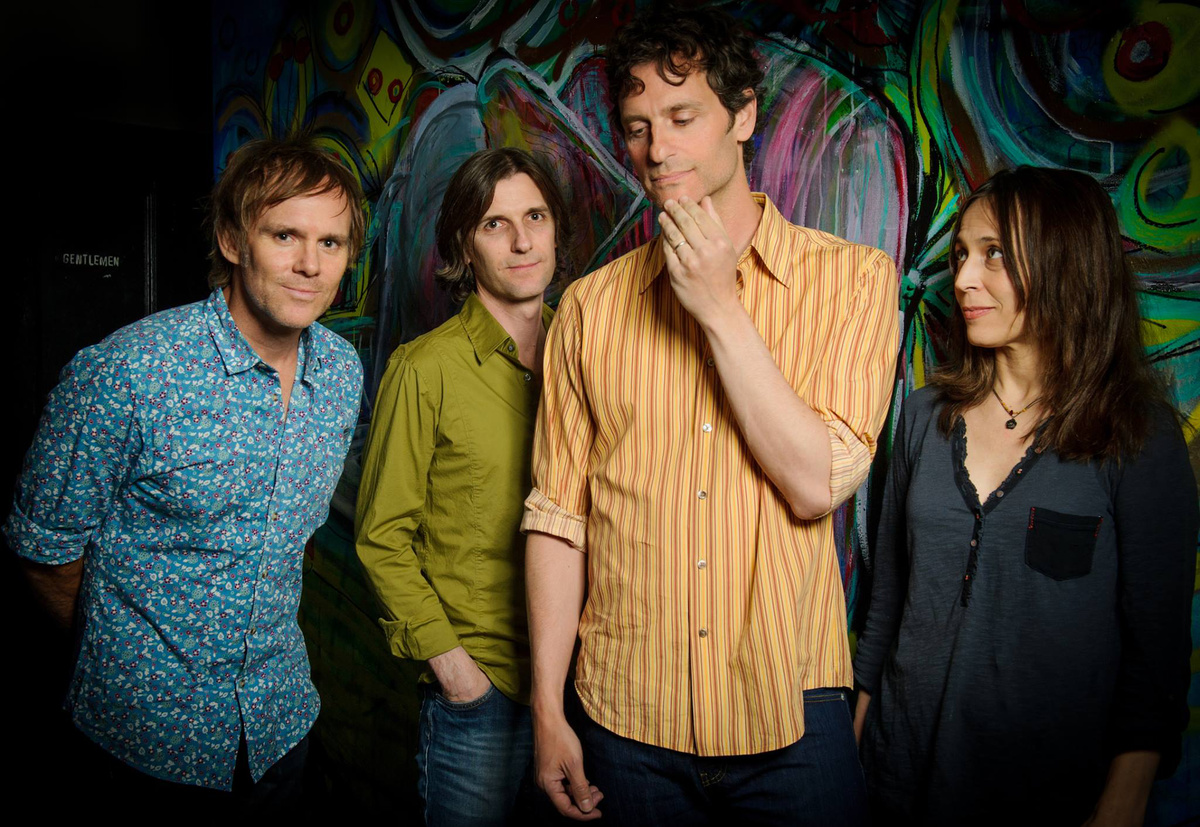
Brooklyn’s Scott Klass makes music that’s “steeped in pop/rock—Weezer meets Ben Folds…leading you to sing along to songs you’re hearing for the first time while stories unfold of relationships gone awry….” (The Deli).
“Klass writes melodic confections that seep into your psyche and stay…and does so with wit and intelligence” (PopMatters).
Lost Frequencies feat. Janieck Devy: “Reality” (2015)
Lost Frequencies is Belgian music producer and DJ Felix Safran De Laet, whose previous single, “Are You With Me” went to number one in seven countries in 2014.
“Reality” also topped the charts in his native country, as well as Austria and Germany, but like its predecessor looks to miss the U.S. charts entirely.
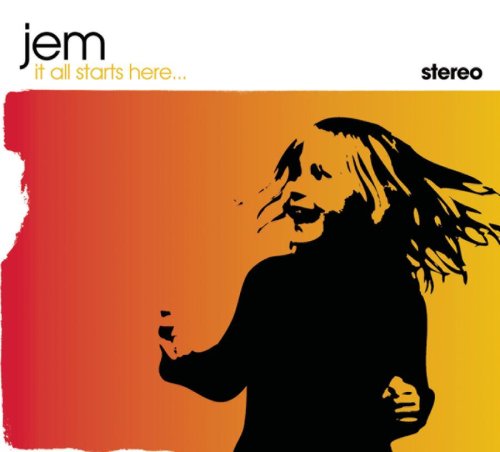
From Jem’s debut EP It All Starts Here… and her 2004 full-length Finally Woken. Jem is like a slightly more ambitious and eclectic Dido–which could be a strength or weakness, depending whether you value diversity or so-called “cohesiveness” in an album.
I suppose in the download era it’s irrelevant anyway. “They” is the keeper track.
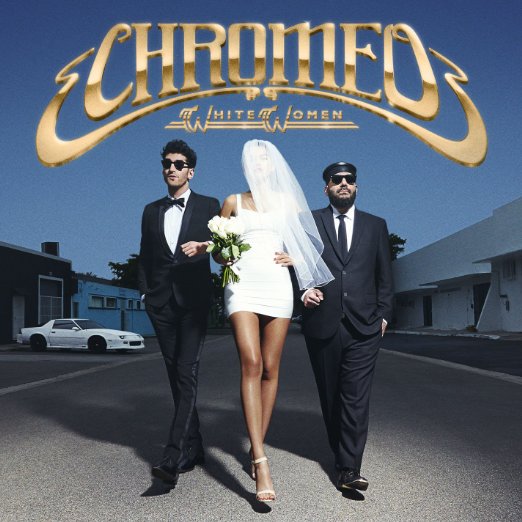
Canadian electro-funk duo Chromeo, along with Bruno Mars, Pharrell Williams, Mayer Hawthorne and others, form the vanguard of a retro-funk movement that has the 2010’s sounding remarkably like the early 1980’s. In a good way.