"There's a time in life for Hoagy Carmichael. There's a time in life for Claude Debussy. There's a time in life for Jerry Lee Lewis. There's a time in life for Destiny's Child. All these things have their moment." ~Elvis Costello
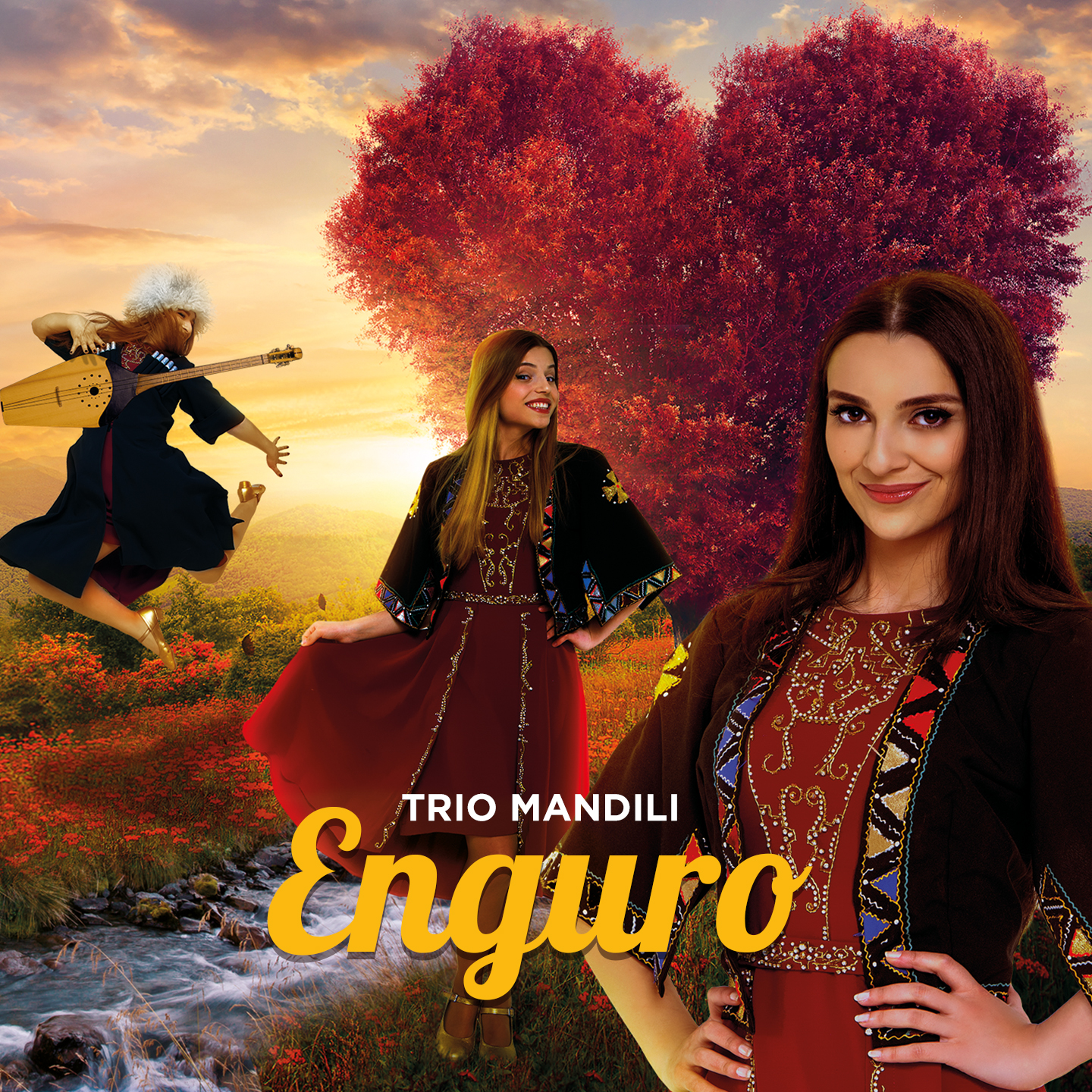
When three sweet-voiced, videogenic friends from the country of Georgia uploaded a music video of their performance of a Georgian folk song and it garnered over five million views, Trio Mandili was born.
Tatuli Mgeladze, Tako Tsiklauri, and Mariam Kurasbediani–who bear such likeness to one another you’d swear they were sisters–upload new videos regularly.
Most feature the rustic countryside of their homeland as well as the girls’ three-part polyphony, accompanied by a traditional Georgian stringed instrument called a panduri.
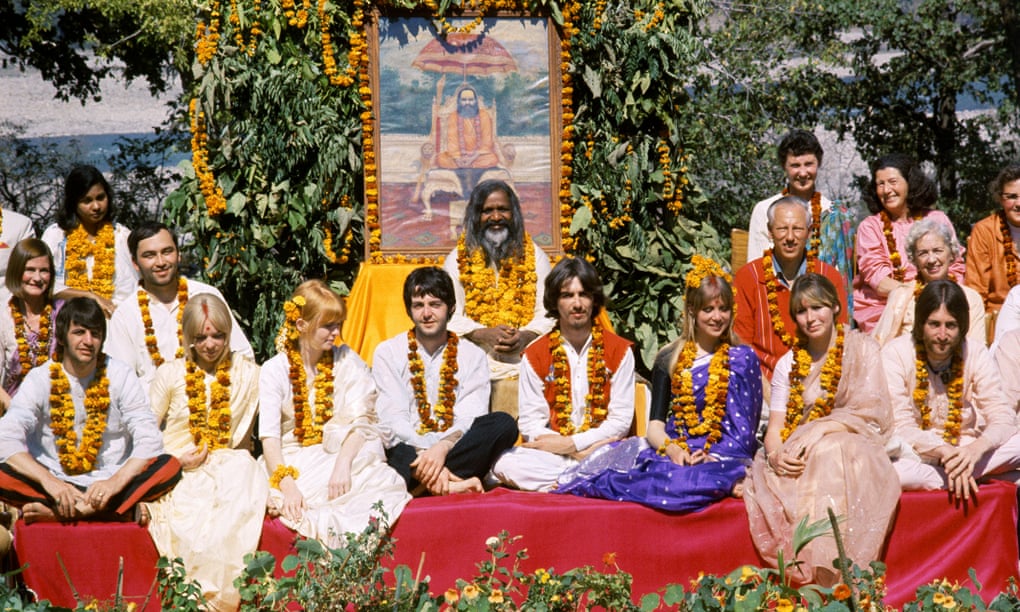
In 1968, Paul Saltzman was a lost soul. The son of a Canadian TV weatherman, he was working as a sound engineer for the National Film Board of Canada in India when he received a “Dear John” letter from the woman he thought was going to be his wife. “I was devastated,” he says. “Then someone on the crew said: ‘Have you tried meditation for the heartbreak?’”
Saltzman went to see the Maharishi Mahesh Yogi – the founder of transcendental meditation – speak at New Delhi University. Emboldened by promises of “inner rejuvenation”, Saltzman then travelled to the International Academy of Meditation in Rishikesh. It was closed, due to the arrival of the Beatles.
As explained by Paul McCartney in the Beatles book Anthology, the exhausted group, still coming to terms with the suicide of their manager Brian Epstein in August 1967, had arrived in Rishikesh with wives and girlfriends to “find the answer” through the teachings of the Maharishi, whom Paul, George and John had first encountered at a lecture at the London Hilton. “There was a feeling of: ‘It’s great to be famous [and] rich,” said McCartney, “but what it’s all for?’”
In the almost 60 years since Bob Dylan released his debut album, countless words have been spilled on his singular legacy. There are books and movies and over half a century’s worth of music journalism trying to dissect the mystery and pin down the multitudes. College courses unpack his lyrics. A Presidential Medal Of Freedom and a Nobel Prize and who knows how many other honors mark Dylan’s towering, seismic presence as not just a musician but a cultural and literary icon of the American Century. All of which is to say: You and I both know about Bob Dylan, and there’s little I could say to celebrate his 80th birthday that hasn’t been said many times before.
Instead, we chose to celebrate the occasion by surveying a vast array of musicians on their favorite Bob Dylan song. (Technically, there are picks from 86 musicians here, but we didn’t want to wait another six years to publish this. Consider it a bonus.) Below, you’ll find singer-songwriters working in a tradition most obviously indebted to Dylan, but you’ll also find young country stars and ascendent art-rockers and jazz boundary-pushers. You’ll find David Byrne writing an essay about one of Dylan’s most recent songs, and you’ll find David Crosby remembering the first time he saw Dylan play in the Village, and a whole lot more. All spoke to Dylan’s incomparable influence, the way he kicked open some kind of door or another no matter what form an artist works in. We were excited and stunned by all the thoughtful responses we received for this project, and we think you will be too. Happy birthday Bob Dylan!
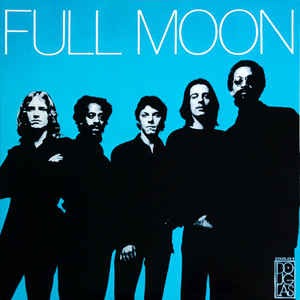
This semi-legendary 1972 album featured Paul Butterfield Blues Band alumni in an early example of the Jazz-Rock fusion that would find greater visibility later in the decade as bands like Weather Report and the Crusaders would release their most successful albums and Steely Dan would create session star-studded records like Katy Lied and Aja.
Full Moon was an album that never garnered mainstream exposure but was influential among musicians, who shared it among themselves.
The musicianship is excellent, the feel is loose, the solos are tasty, and the styles vary from song to song. The rocking opening track “The Heavy Scuffle’s On” evokes Rare Earth, while “To Know”, which follows it, is a gorgeous Tower of Power-like R&B ballad. And so on, each track leaning a bit more toward jazz, or gospel or Miles Davis fusion.
This is one of those albums that hit the cutout bins unjustly. Now is your second chance (or more likely your first) to check out this obscure gem.