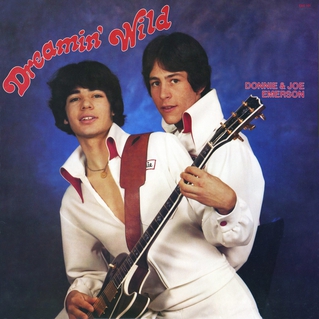
Donnie and Joe Emerson, and the most moving lost record of the 70s

emerson

(via the guardian)

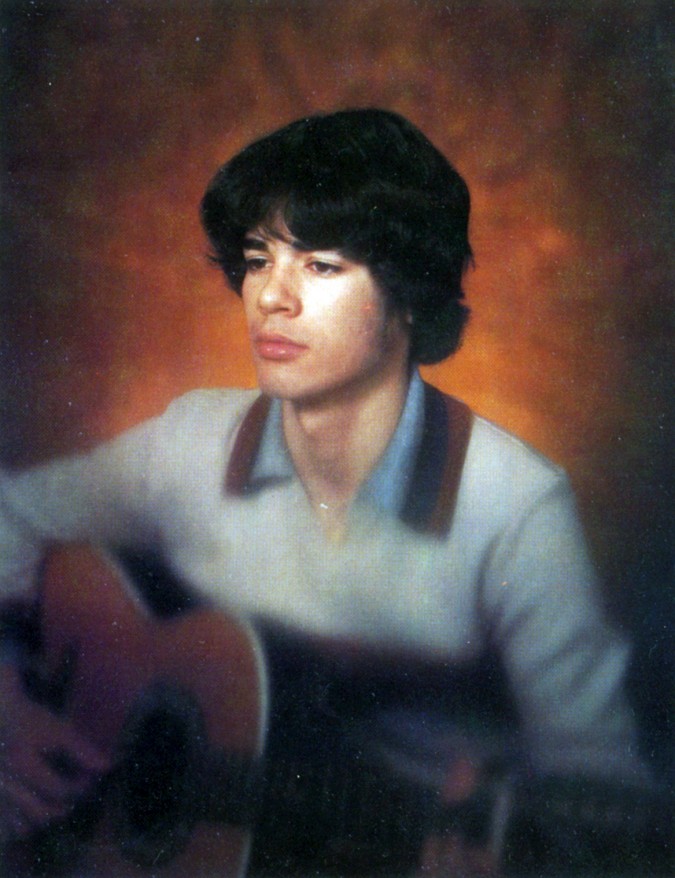
Among the great “what-ifs” of the recording industry, it has to be among the most unlikely: what if a farmer had never bought a tractor?

Fruitland, Washington has a population of 751. There are no zeros missing from the end of that number. This tiny rural town is where Donnie and Joe Emerson grew up, living a teenhood driven by the demands of the family’s 1,600-acre farm.
emerson-2

As Donnie, says, during the summer in particular, “there wasn’t no messing around. You don’t run that type of farm by sitting around.”

Their life-changing moment came in the summer of 1978 when their father, Don Sr, bought a tractor that came with a built-in AM-FM radio. It was this that led, not so indirectly, to one of the greatest forgotten records of the decade, Dreamin’ Wild…

Read more: https://www.theguardian.com/music/2014/jul/28/donnie-joe-emerson-dreamin-wild

Pitchfork‘s review of Dreamin’ Wild:

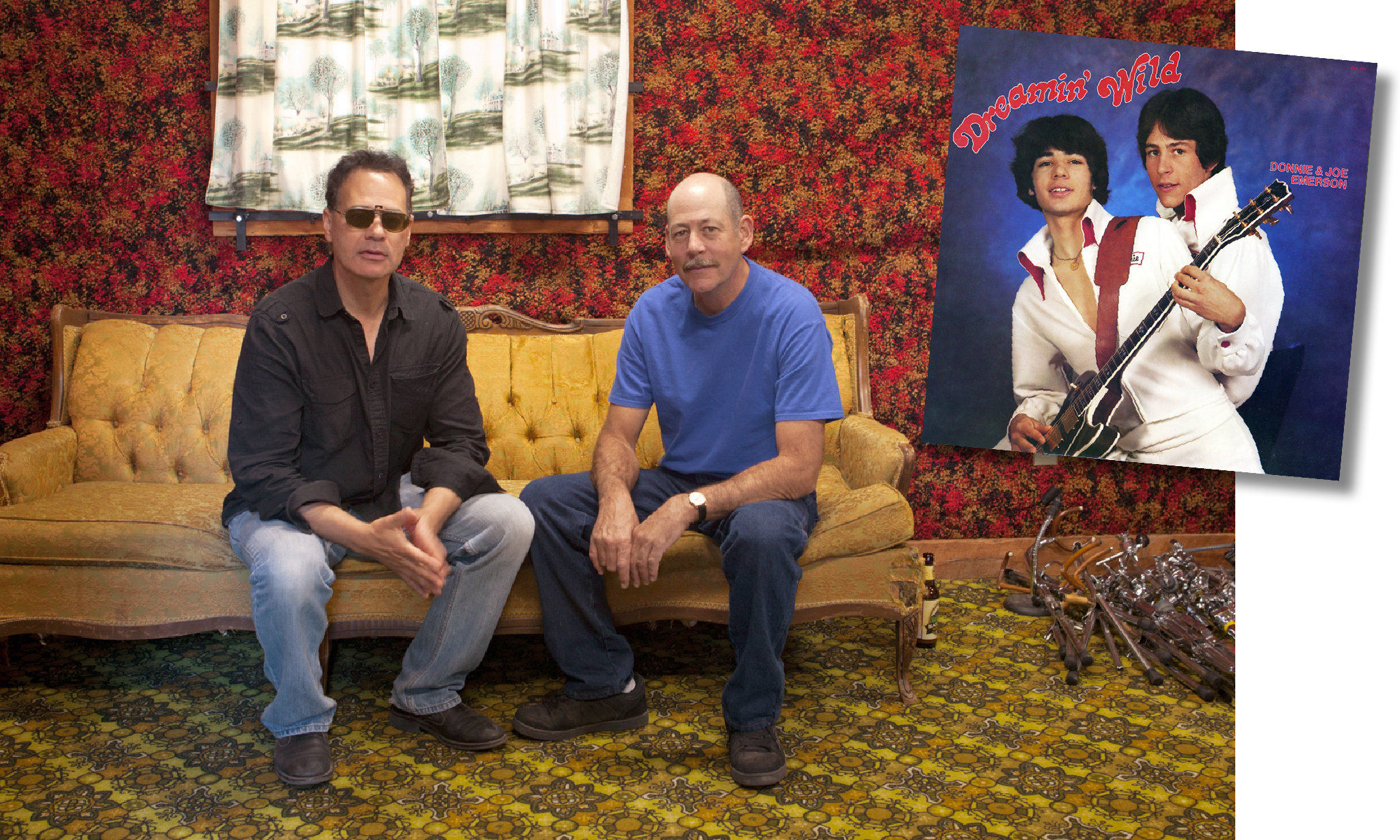
Originally released in 1979, only to sit in the teenaged Emerson brothers’ home studio for decades, Donnie and Joe’s sole record showcases a prodigal talent for blue-eyed soul and landlocked yacht rock that’s only just getting its dues…

Read more: http://pitchfork.com/reviews/albums/16841-dreamin-wild/
emerson-3


18 Cover Songs That Transcend the Originals

covers

(via Purple Clover) by Kevin Haynes

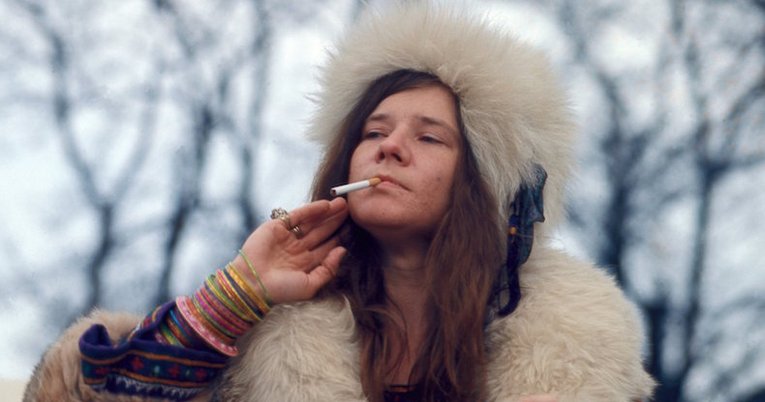
First released January 11, 1971, Janis Joplin’s “Me and Bobby McGee” redefined the limits of cover song success. Here, we celebrate Janis’ classic version and other artistic interpretations gone right.

‘Me and Bobby McGee’ — Janis Joplin

Kris Kristofferson’s vagabond road song was first recorded in 1969 by, appropriately enough, “King of the Road” Roger Miller. But Joplin’s only No. 1 hit, completed days before her death on October 4, 1970, is the ultimate trip down memory lane—a soulful, cinematic look back at love gone by.

Kristofferson, who’d been dating Janis, first heard her version of the song shortly after she died. “Afterwards,” he recalled in a recent interview, “I walked all over L.A., just in tears.”

clapton

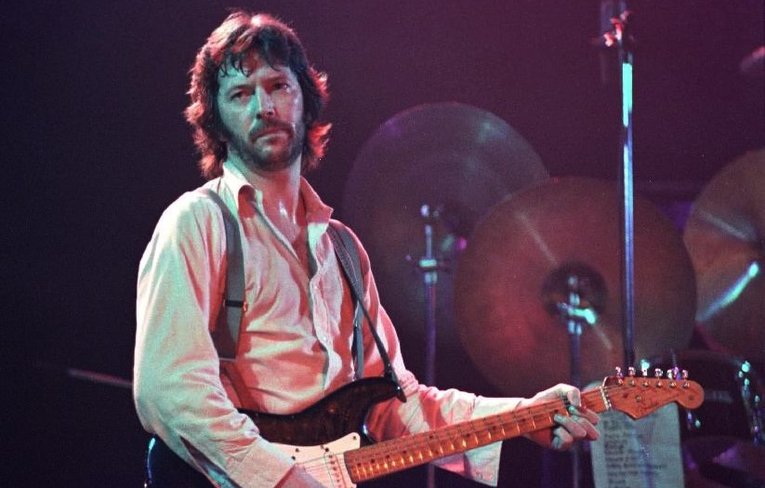
‘I Shot the Sheriff’ — Eric Clapton

Slowhand played fast and loose with Bob Marley’s sly profession of guilt and innocence—hey, he didn’t shoot no deputy—propelling this reggae groove to No. 1 in September 1974.

‘Twist and Shout’ — The Beatles

The Fab Four didn’t just shake it up, baby, they incited a dance riot in 1963, a year after the Isley Brothers got the party started with their first Top 20 hit. (Bonus points if you knew the song was introduced in 1961 by the Top Notes.)

Video of the Week: Dolly Parton’s ‘Jolene’ Slowed Down to 33 RPM

Dolly Parton’s “Jolene” is a pretty great country standard in its original form.

But when slowed from 45 rpm to 33 1/3, the honky tonk molasses that results sounds like a pretty awesome alt-country tune, like that My Morning Jacket track you’ve never heard:

Did You Ever Realize…

call-me roach

Songs You May Have Missed #606

bleu

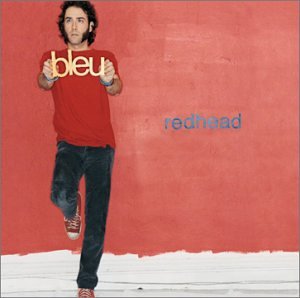
Bleu: “Could Be Worse” (2003)

Bleu (a.k.a. James McAuley III) got help on his second full-length album from fellow power pop sympathizers like Semisonic’s Dan Wilson and Andy Sturmer of Jellyfish, who co-wrote and sang backup on “Could Be Worse”.

A fine point to note here is this example of top-notch songcraft: the melody accompanying the words “could be better” in the chorus mirrors the pitch pattern of the phrase commonly used when it is spoken.

A careful listener will catch this bit of cleverness now and then in a pop song. It’s usually the mark of a real pro.

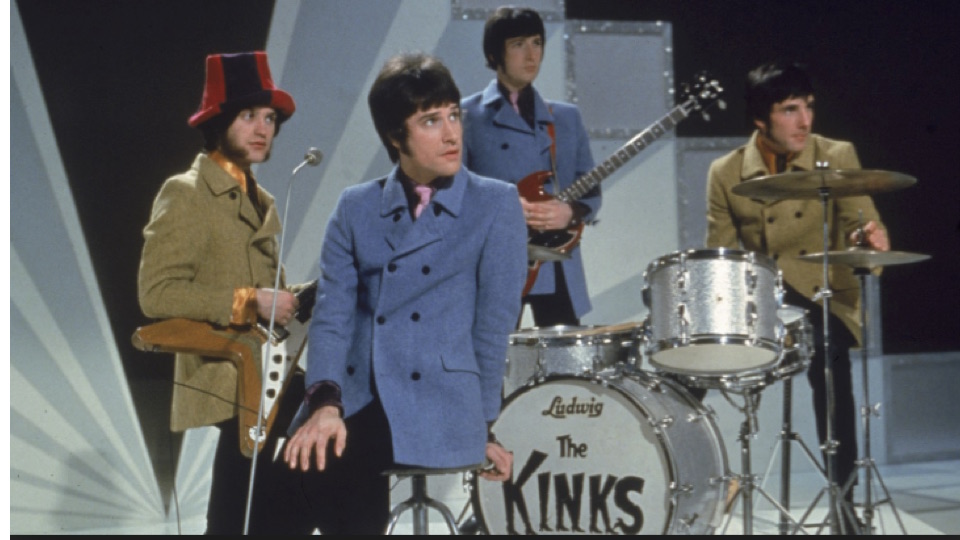
Appreciating The Kinks’ Veddy, Veddy British Period

kinks

(via CultureSonar)

by David Stewart

The Kinks are of course well-known in America, or at least several of their quite distinctive “periods” are. Their initial hard-rocking British Invasion period, their “Lola” period, their late 70’s “Low Budget” period and their early 80’s MTV/”Come Dancing” period, certainly. But it’s the period between the first two – to my mind their best – that I’d like to focus on for this piece. The fact that this period – which includes what are perhaps their two best albums –is lesser known to many Americans is largely a function of history and the band’s getting very specifically British for those two albums. But it would be a shame for American fans to miss out on their best work.

The band burst on to the music scene with a particularly noisy entrance. “You Really Got Me” arguably rocked harder than anything the Beatles or Stones released that year (1964), and indeed that record has often been called either the first metal or first punk single (take your pick). Lead guitarist Dave Davies allegedly once said that “They didn’t call it heavy metal when I invented it.”

Americans ate up the band’s early hard-rocking singles, but a legal dispute with the American musician’s union (AF of M) meant that after the band’s first US tour, they were not allowed to tour the US again till the end of the 60’s, guaranteeing that some of their best work would remain underappreciated on this side of the pond. Even “Waterloo Sunset”, the mid-60’s single often considered the best the Kinks ever released, failed to chart in the US at all, though it would belatedly become a staple on rock radio starting in the 70’s…

Read more: http://www.culturesonar.com/kinks-british-period/

Next Newer Entries