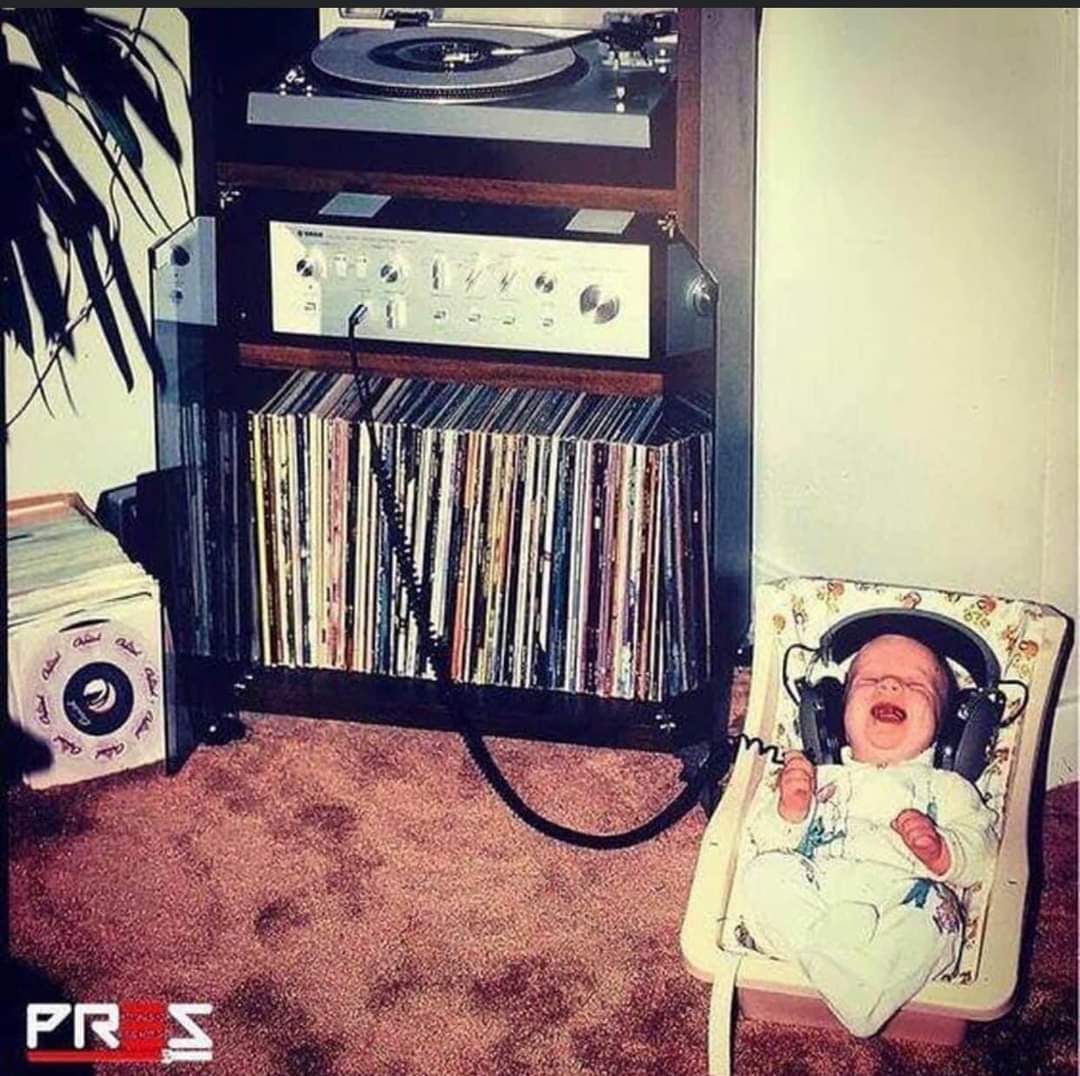
One day last summer, while showing off his new apartment, my son pointed to his roommate’s impressive crates of albums and said, “Look at all of those vinyls!”
“Don’t you ever say that word again!” my wife and I thundered in mortified parental unison, as if he were a five-year-old who’d just dropped an f-bomb. “They’re records — or albums, or just vinyl. But for the love of God, they’re never, ever ‘vinyls.’”
“Whatever,” he grumbled, as his roommates laughed…
Music fans old enough to remember 1971 can be forgiven if they remember it as the year of Carole King. That was the year, after all, when the “Tapestry” hurricane hit American culture – hit and never really left. 14 million units sold, four Grammy awards, two No. 1 singles (“It’s Too Late” and “So Far Away”), 25th on Rolling Stone’s list of the all-time greatest albums – you get the point. When its 50th anniversary came around this year, it was rightly hailed by Esquire as “an enduring reminder of how art can stay engrained in our cultural consciousness.”
The thing a lot of people don’t remember, though, is that 1971 was the year Carole King released two No. 1 albums. She followed “Tapestry” with an album called simply “Music.” Released just in time for Christmas, it hit the top of the charts by January of ’72, and went on to become another platinum seller, the second most popular album of her stellar career. It would have been an unforgettable milestone for most any other artist…
Singers Ron Dante and Tony Burrows are and were not a household name, but for a spell, a family with a working radio couldn’t keep their voices out of their house.
Dante’s first foray into being a household name was singing for The Detergents, who unleashed a 1964 parody of the Shangri-Las’ “Leader of the Pack” called “Leader of The Laundromat.” Sadly, some people (like the three writers of “Leader of the Pack”) couldn’t take a joke and took the Detergents to the cleaners in the form of a lawsuit. Five years later, one of “the Pack’s” composers, Jeff Barry, co-wrote (with Andy Kim) “Sugar, Sugar,” the biggest hit Ron ever sang on. The song’s success compelled Ed Sullivan to ask Dante’s group, The Archies, to appear on Ed’s variety show. Alas, the cartoon Archies were the Gorillaz of their time: an animated band whose members were heard and not seen which meant Ron sang as Reggie Mantle in his only appearance on Ed’s show…
Tina Turner bids a final farewell to her fans in a touching new film that shows how she has overcome her painful past and finally found happiness.
In the feature-length documentary, simply titled “Tina,” the singer looks back on camera for the first time at her younger years filled with struggle and pain, then the true love and global fame she found as a middle-aged woman.
Now 81 and plagued by ill health, including a stroke and cancer, the soul and rock music legend also suffered kidney failure that led to a transplant in 2017.
In the film, she tells how she wants to enter the third and final chapter of her life out of the spotlight, and it is revealed that she has a form of post-traumatic stress disorder from the domestic abuse she suffered at the hands of her first husband and music partner, Ike Turner.
Looking back, Tina reflects: “It wasn’t a good life. The good did not balance the bad.
“I had an abusive life, there’s no other way to tell the story. It’s a reality. It’s a truth. That’s what you’ve got, so you have to accept it…
Gathered here are uncommonly beautiful reflections on the singular power of music by some of humanity’s greatest writers, collected over years of reading — please enjoy.
Music is at once the most wonderful, the most alive of all the arts — it is the most abstract, the most perfect, the most pure — and the most sensual. I listen with my body and it is my body that aches in response to the passion and pathos embodied in this music.
In his final essay collection, A Man Without a Country (public library) — the source of his abiding wisdom on the shapes of stories — Kurt Vonnegut wrote that music, above all else, “made being alive almost worthwhile” for him. He synthesized the sentiment in an extra-concentrated dose of his wry irreverence:
If I should ever die, God forbid, let this be my epitaph: THE ONLY PROOF HE NEEDED FOR THE EXISTENCE OF GOD WAS MUSIC