50 Greatest Prog Rock Albums of All Time

prog albums

(via Rolling Stone) June 17, 2015

By , , , , , , , ,

For close to a half century, prog has been the breeding ground for rock’s most out-there, outsized and outlandish ideas: Thick-as-a-brick concept albums, an early embrace of synthesizers, overly complicated time signatures, Tolkienesque fantasies, travails from future days and scenes from a memory. In celebration of Rush’s first Rolling Stone cover story, here’s the best of the deliciously decadent genre that the punks failed to kill.

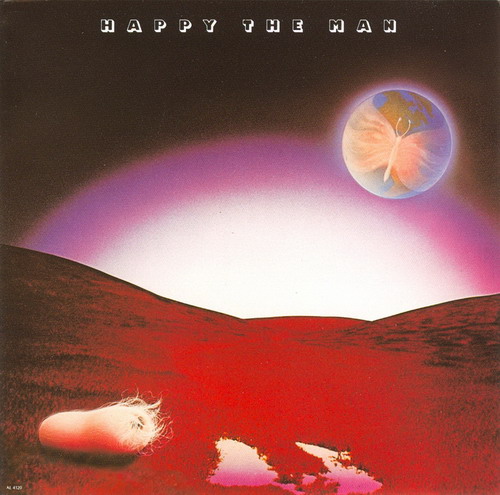
50. Happy the Man, ‘Happy the Man’ (1977)
happy

Formed in a James Madison University dorm room, Washington, D.C.-based Happy the Man recorded three venerated, mostly instrumental prog albums in the late 1970s, striking a seductive middle ground between sax-driven jazz-fusion lunacy (circa Zappa’s One Size Fits All) and synth-heavy meditative twittering. After a showcase, Clive Davis reportedly told the band, “Wow. I don’t really understand this music. It’s way above my head”; yet he still signed them to Arista. Their debut is the band at its most dynamic, highlighted by intricate instrumental interplay as far-out as the song titles (“Stumpy Meets the Firecracker in Stencil Forest,” “Knee Bitten Nymphs in Limbo”). R.R.

49. Ruins, ‘Hyderomastgroningem’ (1995)
ruins

Beaming down from the far reaches of the prog-rock galaxy, this Japanese drums and bass duo slam together mathematically improbable meters and dissonant blasts of rhythm with nonsense wails or demonic growls. The band’s fifth album is especially fascinating, as Ruins inject snippets of vocal melody, droning doom, punk tempos, and meticulous Crimson-esque prog into their rapidly morphing songs. The most obvious influence on Ruins’ ringleader Yoshida Tatsuya is Magma’s iconoclastic Christian Vander — like Vander, Yoshida even created his own language for the band — but there are also traces of experimental freaker Frank Zappa and avant-jazz terrorizer John Zorn (who released the album on his Tzadik label). Some have tagged Hyderomastgroningem unlistenable and undoubtedly it could drive most fans of King Crimson or Yes batty. But maybe that just makes Ruins more prog than prog. J.W.

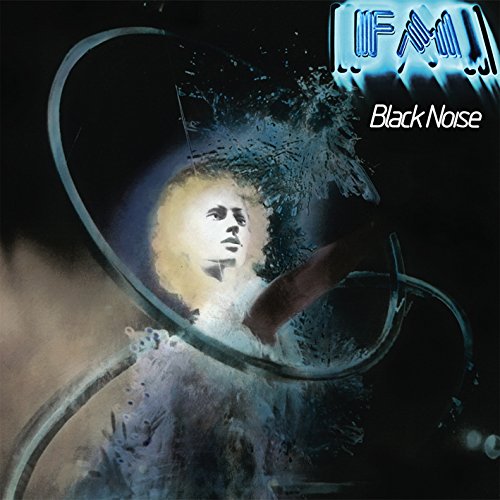
48. FM, ‘Black Noise’ (1977)
fm

Superficially, Toronto-based FM had a lot working against them: Aside from Rush, Canada was never a prog hotbed, and the band released its debut album in 1977, as many of the genre’s originators were fading. Still, Black Noise was one of late-era prog’s most original albums – a hypnotic blend of symphonic synthesizer effects and glossy New Wave melodies, plus an exotic whirl of electric mandolin and violin from Nash the Slash, a.k.a. Jeff Plewman, who performed onstage with his face entirely obscured by surgical bandages. Opener “Phasors on Stun” became a minor AM radio hit, driven by a yearning hook from frontman-bassist-keyboardist Cameron Hawkins, and the band has released several more albums over the years, but FM never managed to reach their debut’s deep-cosmos magic. “There is a timeless quality about that record,” Hawkins told The Music Express in 2014. R.R.

Read more: http://www.rollingstone.com/music/lists/50-greatest-prog-rock-albums-of-all-time-20150617#ixzz49iwKJO8L

New Music Festival Just Large Empty Field To Do Drugs In

drugs

(via The Onion)

MOUNT STERLING, KY—Declaring the event a rousing success so far, organizers confirmed more than 45,000 people turned out Wednesday for the first annual Cavalcade Folk and Roots Festival, a four-day gathering that consists solely of a big empty field to do drugs in.

Held on a farm in the foothills of eastern Kentucky, the festival, which continues through Friday and features no live performances of any kind, reportedly offers “something for every type of music lover,” specifically a fenced-off, 300-acre pasture in which to consume a broad array of mind-altering substances.

“We thought it’d be awesome to host a festival that would attract people from all over the country who just want to kick back and ingest narcotics for 96 hours straight,” festival organizer Randy Felder said of the event that takes place on a barren expanse of land with no stages, sound equipment, lighting, art, or vendors. “Cavalcade is all about creating a venue where live music fans can come together, hang out, and do what they love most. Whether you want to toke up, huff, or take a few hits of E, we’ve got you covered.”

Read more: http://www.theonion.com/article/new-music-festival-just-large-empty-field-do-drugs-50565

5 Hit Songs, Translated

trans

(via mental_floss) by Erik van Rheenen

Foreign language hits don’t often break onto Top 40 airwaves, but when they do, they’re usually loaded with earworms and make terrific karaoke fodder. But when we start singing along, what exactly are we saying? Probably not what you think. Here are five hit songs in other languages and what the heck they actually mean once they’re translated.

1. Nena, “99 Luftballons”

Run Nena’s chirpy 1983 pop song through a translator, and the cheery German hit gets pretty sinister, pretty quickly. Nena guitar slinger Carlos Karges drew inspiration for the anti-war protest tune when he watched an army of balloons get released at a 1982 Rolling Stones concert in West Berlin.

His musings on the balloons’ ascension over the Berlin Wall (“99 balloons on their way to the horizon / People think they’re UFOs from space”) and into the Soviet Bloc gave way to lyrics about war and paranoia—99 luftballons become 99 fighter jets, war ministers, and years of war as the hysterical overreactions in the lyrics escalate.

Nena recorded an English version, retitled “99 Red Balloons,” but argued that the satirical rewrite felt unfaithful to the German meaning. The less cutesy German cut became an American smash, peaking at #2 on the Billboard Hot 100…

Read more: http://mentalfloss.com/article/50792/5-hit-songs-translated

May 21, 1971: Chicago’s Peter Cetera Attacked by Marines

cetera

(via Ultimate Classic Rock)

45 years ago, former Chicago bassist/vocalist Peter Cetera found out the hard way that the phrase, ‘root, root, root for the home team,’ isn’t just a catchy line from a beloved song. It’s a real-world warning.

On May 20, 1969, following the completion of a grueling tour opening for Jimi Hendrix, Cetera, along with saxophonist Walter Parazaider, guitarist Terry Kath and drummer Danny Seraphine decided to take a trip to Dodger Stadium in Los Angeles to take in a day of baseball. The bassist’s beloved Chicago Cubs were set to take on the L.A. team in the first of a three-game series. The Cubbies completely dominated the Dodgers that day and won 7-0. As bad as the beat down was, however, perhaps the biggest loser in the park was Cetera when he came upon a group of servicemen…

Read more: http://ultimateclassicrock.com/peter-cetera-attacked-marines/


“Where Do We Go From Here?”

George Martin and the Beatles: A Producer’s Impact, in Five Songs

martin

(via The New York Times Music)

March 9, 2016

When we hear a great recording, we tend to think of the music as having sprung fully developed from the imagination of the musician or band that cut the tracks. But that ignores the role of the producer, who translates the musician’s vision into the sound we experience.

The contributions that George Martin, who died Tuesday at 90, made to the Beatles’ recorded catalog were crucial, and although he was the first to say that most of the credit belongs to the band, many of the group’s greatest songs owe their sound and character to his inspired behind-the-scenes work. Here are a few of his most telling musical fingerprints:

Read more: http://mobile.nytimes.com/2016/03/10/arts/music/george-martin-and-the-beatles-a-producers-impact-in-five-songs.html?_r=0

Music-Map: The Tourist Map of Music

Obsessive music fans, we think we’ve found your next rabbit hole.

Music-Map is a music discovery visualization tool which, when an artist or band name is entered, presents a network of other artists mapped out based (presumably) on proximity of relationship or similarity.

The flaw? It almost certainly lacks the authoritative credibility of, for example, the ambitious Music Genome Project® which powers Pandora’s music recommendation service. In fact (though the site provides little or no info on the sources of its recommendations) the suspicion here is that it is merely plugged into the “related searches” from a site such as Amazon.com.

This would explain why KC and the Sunshine Band cozy right up against The Mamas & The Papas and the Red Hot Chili Peppers are the closest band on the map when you search The Beatles. Also, the cosmos surrounding The Mills Brothers contains the Texas Tornados and Donovan, yet the Ames Brothers are nowhere to be found. And Queen really doesn’t come to mind as the closest thing to Pink Floyd. And so on.

Methinks this is just another way to use Amazon’s “customers who bought this also bought” feature. But it does lay searches/recommendations out in visual terms, and splashes lots of artists on the page. So in that sense it’s arguably more practical, and definitely more fun.

http://www.music-map.com/

Previous Older Entries Next Newer Entries