Rhye: “Open” (2012)
(Source: NPR)
Last year, an unknown band called Rhye started posting exquisitely produced videos online. The clips were sexy — erotic even — and the music matched the images. The identities of the band members were a mystery, intentionally shielded from view.
Listeners started wondering: Who is that woman singing? Why don’t they show her? Once information starting leaking about the band, admirers were shocked to learn: That’s a dude!
“Personally, I don’t view myself as sounding like a woman,” says Toronto-born Mike Milosh, the voice behind Rhye’s sensual songs and one-half of what has now been revealed as an all-male duo. “I think I just have a soft quality to my voice, and then people immediately associate that with something extremely feminine.”
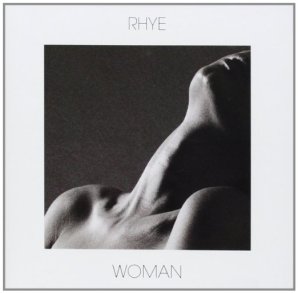
Rhye will release its debut album, Woman, this week. But even as Milosh and his collaborator, Danish songwriter-producer Robin Hannibal, have begun to surface in the media, they have remained visually enigmatic. Consenting to a photo shoot for a New York Times profile last month, the duo requested that their faces be obscured.
“I can’t say it’s not intentional because we made a conscious decision to stay out of things,” Milosh says. “But it wasn’t a PR scheme. It’s not something that we created out of gimmickry, or whatever. We just didn’t want to be in the imagery of it because we wanted people to have their own experience with the songs. Robin and I talked about it at great length. That’s how we both love exploring music, especially when we were younger. You hear something, you’re intrigued by it — but because of the song, not because of the image around the song.”
Milosh and Hannibal spoke with guest host Celeste Headlee on Saturday’s All Things Considered. To hear more of their conversation, click the audio link below.