"There's a time in life for Hoagy Carmichael. There's a time in life for Claude Debussy. There's a time in life for Jerry Lee Lewis. There's a time in life for Destiny's Child. All these things have their moment." ~Elvis Costello
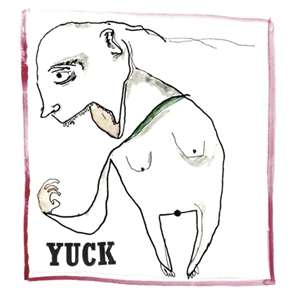
The prettiest, most restrained moment from Yuck’s debut album. This young band’s sound marks them as obvious descendants of the 90’s lo-fi indie rock of bands like Dinosaur Jr. But the gently melodic mope of this song also puts them into Teenage Fanclub territory.
A nice song for making breakfast, relaxing with a chai, or to fall in love to. Whatever’s your poison.
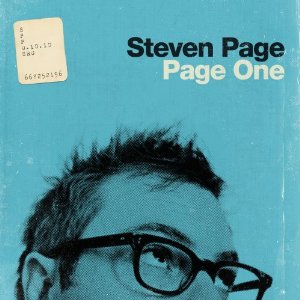
Lest you dispute Steven Page’s credentials as perhaps pop’s most skilled purveyor of “dark bubblegum” since ABBA, check out “Over Joy” which might be the snappiest song about depression I’ve ever heard.
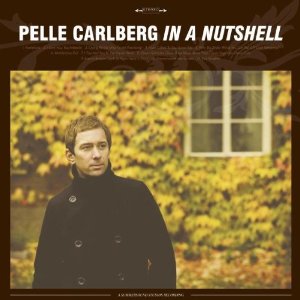
Pelle Carlberg: “Clever Girls Like Clever Boys Much More Than Clever Boys Like Clever Girls” (2007)
Swede Pelle Carlberg has stumbled onto a general truth here: girls and guys are screening for slightly different things in the opposite sex. As entertainingly as he puts his idea across you’d think he’d have found a way to shorten the title.
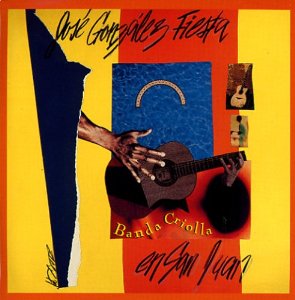
Jose Gonzalez and Banda Criolla: “Bomba Te Traigo Yo” (1994)
The song’s title translates as “I bring you Bomba” and it’s a celebration of the bomba style of party music, traditional in Puerto Rico and based on African rhythms. Acoustic guitar and cuatro (a native, guitar-like stringed instrument) create a buoyant blend in a song that speaks of the “delicious rhythm” of “the land where I was born”.
“Puerto Rico” means “rich port”. And the phrase certainly seems to apply to its music.
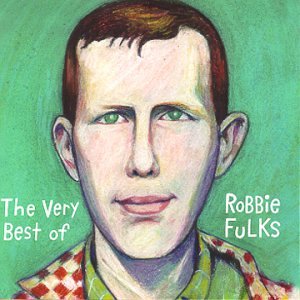
Everything about Robbie Fulks seems to be both earnest and a put-on at the same time. The title of this album, for example–it’s not a greatest hits compilation, nor is he likely to ever have one. It’s just another record of solidly crafted, slickly performed and lyrically pointed country-billy.
And “That Bangle Girl” neatly straddles straight homage and send-up too. He’s clearly a fan of the Littlest Bangle, while bragging that he even “sat through her movie”.
Fulks more recently made an album of all Michael Jackson covers, which is: a) a ridiculous thing for a rockabilly singer to do, and b) really, really good.
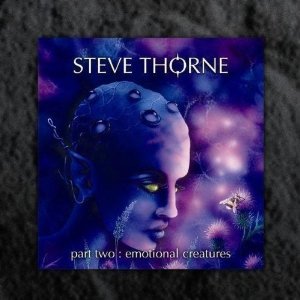
England’s Steve Thorne makes the kind of crossover prog that would probably have broad appeal among fans of 70’s bands like Kansas and Genesis, if not for the fact that he’s almost unheard of in this country.
“Crossover” seems an appropriate term because he’s basically a singer-songwriter without grand ambition for epic-length composition or grandstanding, overly complex musical passages. But his albums are chock full of guest appearances by progressive rockers of high repute such as Nick D’Virgilio, John Mitchell, Pete Trewavas, Tony Levin and Geoff Downes (who plays piano on this track). Although his music appeals mainly to fans of prog, Thorne’s songs and themes are easily digestible, his lyrics coherent.
“Crossfire” is a lament for young life wasted in battle. In a sense, all soldiers are “caught in the crossfire” of the machinations of bloodthirsty empires; inherently good men are victims of inherently flawed mankind. It’s the type of humanistic theme that writers like Kerry Livgren and Peter Gabriel are known for. But such are the prevailing trends of popular music that Steve Thorne (and many others like him) will never be known on a comparable scale.